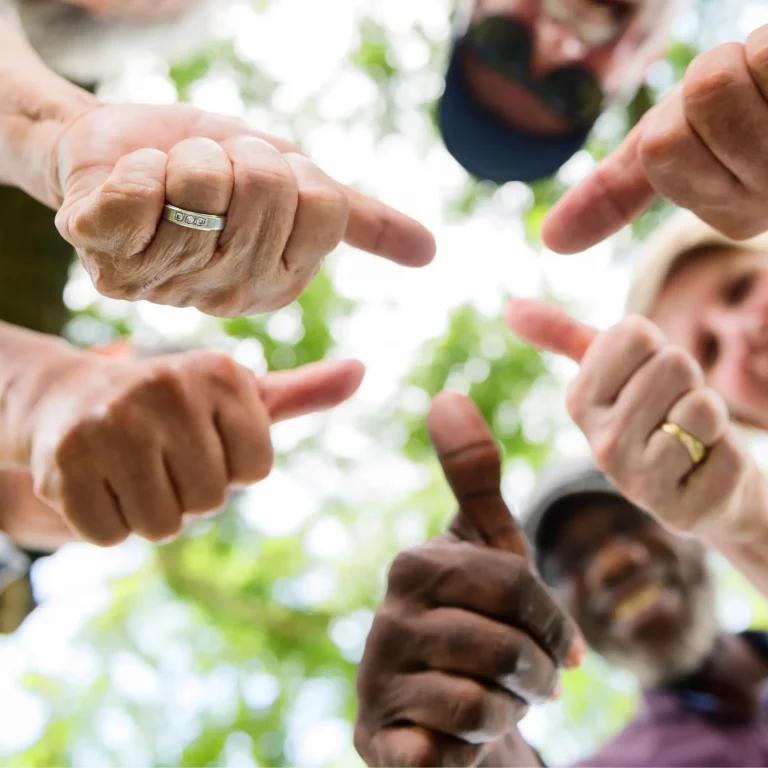
August is National Wellness Month, a reminder that taking care of ourselves does not become less important as we grow older. In many ways, it becomes more important. For seniors, staying active can support strength, balance, independence and heart health, but the benefits may extend to the brain as well.
There is no guaranteed way to prevent dementia. However, researchers have identified several factors that people may be able to influence, and physical inactivity is among them. The connection makes sense when we consider that many things affecting cardiovascular health, including high blood pressure and diabetes, can also affect brain health.
The encouraging part is that supporting healthy aging does not require becoming an athlete at 75.
Movement Counts, Even When It Doesn’t Look Like Exercise
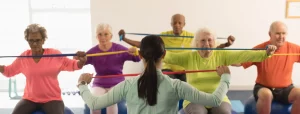
Federal guidelines recommend that adults 65 and older work toward at least 150 minutes of moderate intensity aerobic activity each week, along with muscle strengthening and balance activities. That number should not discourage someone who is currently far less active. Some movement is better than none, and activity can be adapted to a person’s abilities.
Walking around the neighborhood, gardening, swimming, dancing or taking an exercise class can all get the body moving. Strength exercises can help older adults maintain the muscles needed for everyday activities, while balance exercises can reduce the risk of falls.
For a senior who has been relatively inactive, even a regular walk can be a meaningful place to begin. Older adults with medical conditions or significant mobility limitations should talk with their health care provider about activities appropriate for them.
What’s Good for the Heart Can Be Good for the Brain
Physical activity supports cardiovascular health, and research has found an association between regular activity and reduced risk of cognitive decline and dementia. Exercise can also support memory and thinking while helping manage other dementia risk factors, including high blood pressure and diabetes.
Some of the most interesting recent research looks beyond exercise alone. The U.S. POINTER clinical trial studied older adults at increased risk for cognitive decline and found that lifestyle interventions combining physical activity, nutrition, cognitive and social engagement, and health monitoring improved cognition over nearly two years.
In other words, senior wellness is bigger than getting your steps in.
Make Wellness Social
A morning walk with a neighbor does two things at once: it gets the body moving and creates an opportunity for conversation and connection. The same is true of a group fitness class, gardening club, afternoon with grandchildren or other activities that combine movement with meaningful interaction.
This National Wellness Month, families can use August as an opportunity to look at the bigger picture. Is an aging loved one moving regularly? Are they eating well, staying socially connected and keeping up with medical care? Have mobility challenges made it harder to participate in activities they once enjoyed?
Wellness can look different at 80 than it did at 50, and that is perfectly reasonable. The goal is not to turn back the clock. It is to find realistic ways to support physical health, brain health and a fulfilling life at every stage of aging.